
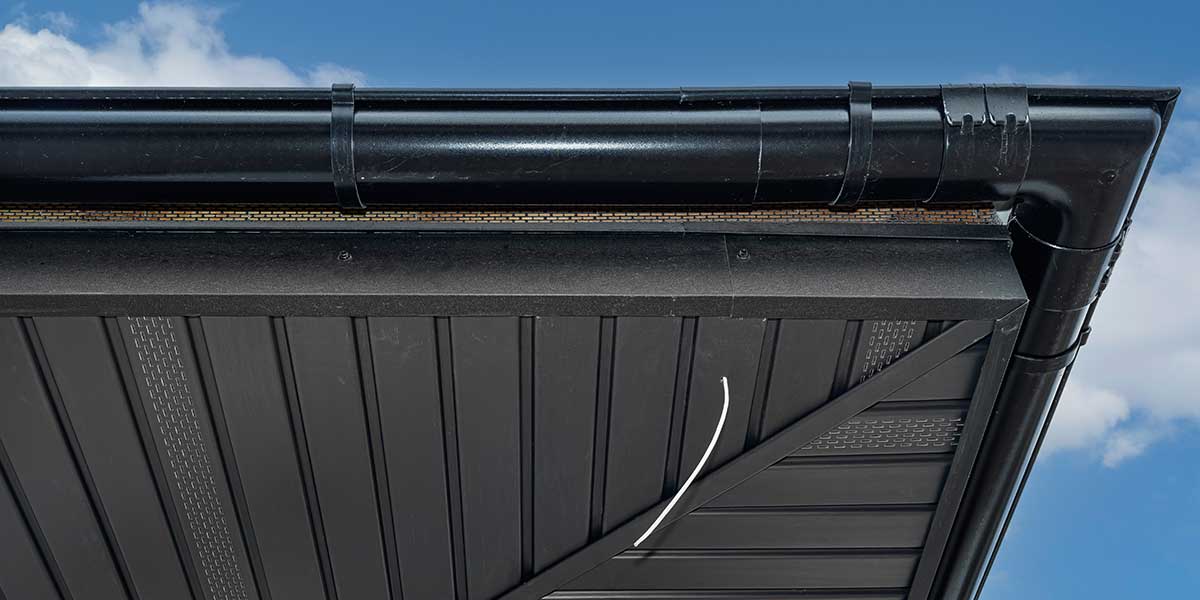
Gutters remain exposed year-round, but deterioration does not always begin with an obvious leak. Subtle surface changes may develop before the system’s performance declines.
When reviewing gutter installations in Houston, TX, consider how the materials are suited to local conditions. This guide explains why gutters deteriorate in Gulf Coast moisture and when visible wear may require action.
How Humidity Weakens Gutter Surfaces
Humidity can leave a thin film on gutter surfaces long after visible rainfall has ended. This coastal moisture slows drying around joints and beneath organic material inside the channel.
Scratches and cut edges become vulnerable when the factory coating no longer isolates the underlying metal. Residue can also collect behind the channel, where limited airflow conceals early surface changes.
As the finish loses adhesion, exposed areas may gradually expand. This gutter deterioration can weaken the material before an obvious leak develops.
Early Signs of Gutter Deterioration
Watch for these changes before the damage spreads:
- Finish breakdown: Peeling or bubbling coatings can leave the base material vulnerable to prolonged exposure to humidity.
- Surface pitting: Small depressions may indicate that corrosion has begun to remove metal.
- Seam staining: Discoloration around a joint can reveal trapped moisture or early leakage.
- Hardware changes: Rust-colored marks near fasteners may show that a connection is deteriorating.
Documenting these changes helps determine how far the deterioration has progressed.
Why Salt Exposure Accelerates Material Loss
Airborne salt creates another source of wear. Prevailing weather can carry fine particles inland, where they settle on scratched coatings or uncovered edges. Understanding why gutters deteriorate in Gulf Coast moisture requires considering this exposure alongside persistent humidity.
Salt particles can dissolve in surface moisture, producing effects associated with saltwater corrosion. Signs of rust and corrosion vary by metal. Steel commonly develops reddish rust, while aluminum may oxidize or develop small pits.
How Storms Strain Weakened Gutters
Humidity and airborne salt can gradually affect the gutter surface, while coastal storms place sudden pressure on the supporting system. Strong winds may loosen hangers or shift sections that have already weakened.
During heavy rainfall, an undersized or obstructed channel can fill faster than its outlets can drain. The resulting weight may deepen low areas or separate vulnerable seams.
How Roof Runoff Carries Abrasive Sediment
Rainwater can wash roofing granules and airborne dust into the gutter. Unlike leaves, these fine particles may settle in low-flow areas that are difficult to inspect from the ground.
As sediment accumulates, it holds damp material against the channel floor. Movement during cleaning or heavy runoff may also drag coarse particles across protective coatings, creating small scratches that expose the underlying metal.
How Gutter Materials Affect Durability
Available types of gutters respond differently to prolonged humidity. Aluminum does not rust like steel, but it can still oxidize, while steel depends heavily on an intact protective finish.
When comparing gutters for Houston’s humid climate, consider how the base material works with its coating. Construction quality also influences whether joints remain sealed as temperatures change.
Material Details Worth Reviewing
Check these features before choosing a system:
- Base metal: The gutter material should withstand prolonged exposure to damp conditions.
- Protective finish: Coatings should cover vulnerable surfaces without visible gaps or damage.
- Connection design: Joints should support reliable sealing where separate sections meet.
- Compatible hardware: Fasteners should not create an avoidable reaction with the gutter metal.
These details can influence durability even when two systems appear similar from the ground.
When Deteriorated Gutters Need Replacement
When assessing gutter corrosion in Houston, TX, consider replacement if damage extends beyond one repairable area:
- Widespread pitting: Material loss appears across multiple areas of the gutter run.
- Recurring seam failure: Repaired joints continue opening as the surrounding material weakens.
- Visible perforation: Corrosion has created holes through the channel.
- Widespread support failure: Multiple damaged mounting points prevent the gutter from maintaining its required slope.
These failure patterns reinforce why gutters deteriorate in Gulf Coast moisture and show when isolated repairs can no longer restore dependable drainage.
Choose Permanent Gutter Protection With GutterMaxx
Understanding why gutters deteriorate in Gulf Coast moisture helps homeowners recognize when corrosion has progressed beyond a practical repair. At GutterMaxx, we provide a premium, engineered solution that is custom-fit to each home and professionally installed.
Our liquid-adhesion technology directs rainfall into larger-capacity troughs, while debris moves past the intake edge. The maintenance-free system is backed by a lifetime no-clog guarantee and designed to be the last gutter system you should ever need installed. Learn why gutters clog, or call us at (713) 564-4506 to discuss permanent exterior protection.