
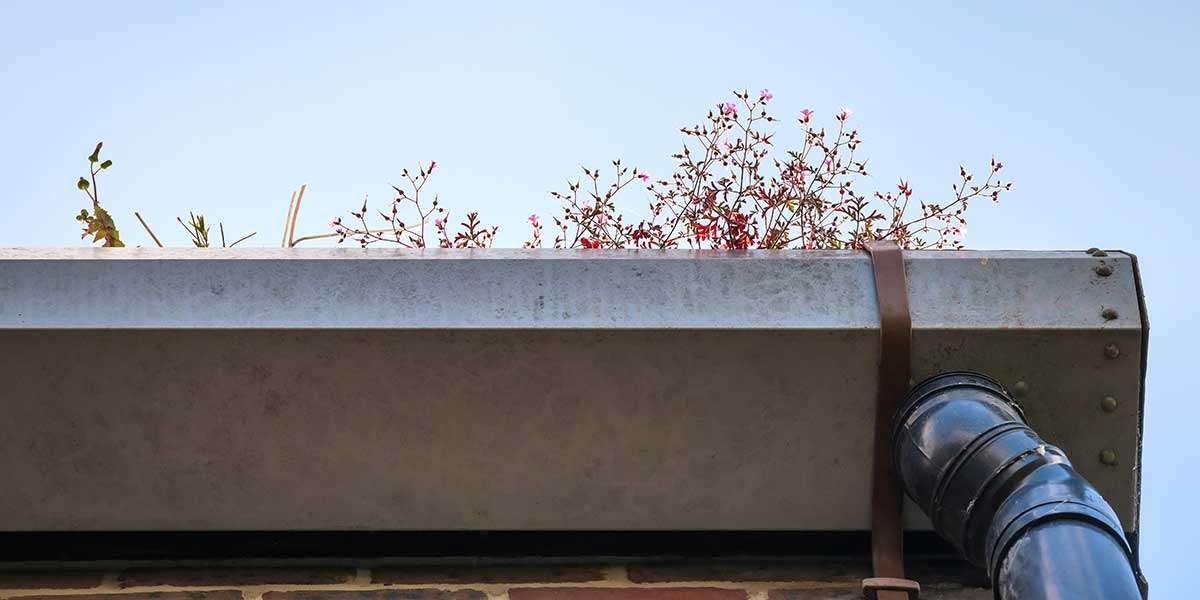
After a spring rain, you may notice water spilling over a gutter even though no large leaves are visible. Live oak catkins can collect across the channel, while cedar pollen combines with moisture to form residue that restricts narrow drainage openings.
If you are considering gutter installation in Dallas, TX, ask how each system manages fine seasonal debris before choosing a design. GutterMaxx explains how catkins and pollen affect gutters and which steps can prevent partial restrictions from disrupting runoff.
How Seasonal Debris Restricts Gutter Flow
The sections below explain how catkins and pollen affect gutters as seasonal debris accumulates and restricts drainage.
Catkin Accumulation
Live oak catkins gather in long strands that bridge across gutter channels. Their shape allows them to catch additional material rather than wash toward the outlet.
Fine Pollen Entry
Tree pollen from cedar settles across roofs and enters gutter channels with runoff. The fine particles can accumulate without forming an obvious pile.
Moisture Exposure
Rain turns dry pollen into a heavier residue that adheres to the channel. Once damp, the material becomes harder for ordinary runoff to remove.
Dense Layer Formation
Catkins provide a base that catches wet pollen. The resulting layer becomes denser and occupies more of the channel’s available space.
Outlet Restriction
Fine residue can collect near the downspout opening. Even a partial restriction can delay drainage during steady rainfall.
Uneven Accumulation
Wind and roof features can direct seasonal material toward specific gutter runs. One section may become restricted while the rest of the system drains normally.
How Surface Condition Influences Residue Retention
An aging gutter may hold seasonal residue more readily when its interior finish is scratched or corroded. Rough areas provide places where damp particles can settle rather than move toward the outlet. Seams and old sealant can also interrupt a smooth water path, allowing material to remain after rainfall.
During an inspection, look for residue concentrated around worn surfaces. This pattern can help distinguish a debris-related restriction from a capacity problem affecting the entire gutter run during heavy roof runoff.
Warning Signs of Restricted Spring Drainage
Watch for these drainage changes after rainfall:
- Slow discharge: Water leaving a downspout with less force may indicate a partial restriction inside the outlet.
- Localized overflow: Runoff spilling from one gutter section can show that water is not reaching its intended path.
- Surface residue: A yellow or brown coating on a screen may indicate fine material that holds moisture.
- Standing water: Water remaining after rain can indicate that accumulated debris is obstructing flow along the gutter.
- Exterior staining: New marks below the roof edge may show that repeated overflow is wetting nearby surfaces.
Recognizing these signs early shows how catkins and pollen affect gutters and helps prevent overflow or added strain.
How Added Weight Strains the System
Wet material weighs more than dry residue. As gutter debris holds water, the load can strain hangers and fascia.
Gutter clogging can worsen when weakened hangers allow the channel to sag. The resulting low areas retain more runoff and place greater demand on the attachments.
When To Address Seasonal Accumulation
Use the spring shedding cycle to plan timely attention:
- Early observation: Check the water flow once catkins begin to collect along the roof edge.
- Post-shedding review: Inspect after the heaviest drop to identify remaining material.
- Rainfall check: Observe drainage safely from the ground during the next moderate rain.
- Spring gutter cleaning: For standard screened gutters, arrange service when residue or restricted flow remains.
Timely attention helps restore drainage before heavier storms place more demand on the system.
What Long-Term Protection Should Address
Review the areas below when comparing how systems manage recurring spring debris.
Debris Separation
A long-term design should keep seasonal debris away from the water-entry path while preserving drainage capacity. When considering gutter protection in Dallas, TX, examine how the system separates small material from incoming runoff.
Capacity and System Fit
The trough and outlets must support runoff during high-intensity rainfall. If the buildup exposes broader weaknesses, assess whether gutter replacement in Dallas, TX, provides sufficient capacity and a consistent roofline fit.
Keep Spring Runoff Moving With GutterMaxx
Catkins and wet pollen buildup can restrict drainage before a solid blockage becomes visible. GutterMaxx installs a custom-fit, maintenance-free system that uses liquid-adhesion technology to guide runoff into a larger-capacity trough.
Professional installation and a lifetime no-clog guarantee support long-term debris protection. Learn how to prepare for storm season before seasonal runoff increases. To discuss how catkins and pollen affect gutters, call us at (214) 466-1257.